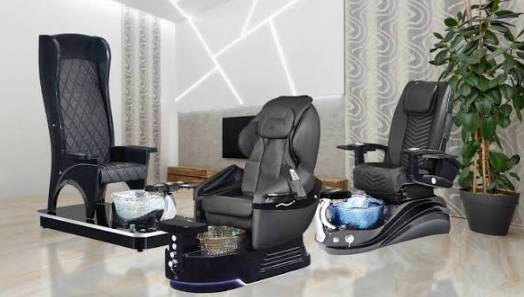
A pedicure station is more than a decorative addition to a salon. It is a working piece of equipment that influences comfort, workflow, hygiene, and the efficiency of everyday services.
With many designs and configurations available, choosing suitable furniture requires a clear understanding of the salon’s needs. The best selection is the one that fits the space, supports the intended services, and can be maintained reliably throughout its working life.
Begin With the Intended Customer Experience
Different businesses serve different customer expectations. A neighborhood nail salon may emphasize practical comfort and efficient appointment turnover, while a destination spa may prioritize a relaxing atmosphere and premium furnishings.
These goals should influence the type of chair, available adjustments, upholstery, and additional features selected.
Comfort and Adjustability
Seat cushioning, back support, armrests, and adjustment controls can make a difference during longer appointments. Buyers should evaluate how easily the chair can be adjusted and whether its design suits the range of clients served.
Comfort should not be judged from photographs alone. Request specifications and, where practical, inspect a sample or demonstration model before committing to a large purchase.
Appearance and Interior Coordination
Furniture contributes to the overall visual identity of a salon. Color, finish, shape, and material can be coordinated with lighting, flooring, reception furniture, and surrounding décor.
However, appearance should remain balanced with practical considerations such as cleaning, durability, and maintenance access.
See also: How Often Should You Wash Falling Hair?
Compare Available Chair Designs
When evaluating best pedicure spa chairs avoid relying entirely on rankings or general product descriptions. The right model depends on the salon’s available space, service menu, budget, and operating requirements.
Examine Structural Components
Review the chair’s frame, upholstery, basin, controls, and moving mechanisms. Ask the supplier for documented weight limits, care instructions, and information about components that may need replacement.
These details can help determine whether a product is suitable for the expected level of use.
Evaluate the Basin Design
The basin should suit the salon’s cleaning procedures and installation conditions. Material, accessibility, drainage arrangement, and maintenance requirements should all be considered.
For models with water or electrical connections, verify the installation instructions before purchase. The site must be able to accommodate the specified services safely and in accordance with local requirements.
Choose Features Based on Practical Value
Some chairs offer adjustable settings, powered functions, or additional comfort options. These may be valuable when they improve the service experience or support the salon’s positioning.
Separate Essential and Optional Features
Prepare a list of requirements before comparing models. Essential items may include appropriate dimensions, suitable construction, required basin arrangements, and manageable maintenance.
Optional features should be assessed according to their usefulness, cost, and possible servicing needs. This prevents the business from paying for functions that do not contribute meaningfully to its service model.
Consider Staff Workflow
The station should allow technicians to access tools, position clients, and clean the work area without unnecessary movement. A well-designed workstation can improve consistency and reduce awkward working positions.
The chair’s features should support the complete treatment process, not merely create an impressive appearance.
Check the Salon’s Space and Utilities
Measure the installation area and compare it with the chair’s documented dimensions. Include the full operating footprint, space for client access, technician movement, and room for cleaning and repairs.
Confirm that the equipment can pass through the delivery route. Large chairs may require particular handling arrangements or assembly at the destination.
Review Plumbing and Electrical Needs
Some models require water supply, drainage, or electrical connections. Ask for the installation documentation and have qualified professionals review the proposed arrangement.
Utility work should be completed in accordance with the manufacturer’s instructions and applicable local codes. Maintenance access should remain available after the furniture is installed.
Evaluate Suppliers and Warranty Terms
A good purchasing decision includes an assessment of the supplier’s communication, documentation, delivery arrangements, and support process.
Request a written quotation that identifies the exact model, included accessories, customization, price, shipping, lead time, and warranty terms. Ask how defects and missing components are handled.
For a larger purchase, confirm whether the supplier can maintain consistent specifications across all units and support future replacement orders.
Calculate the Full Investment
The cost of ownership includes the purchase price and any expenses associated with shipping, installation, utilities, maintenance, cleaning, and replacement parts.
A higher-priced model may offer useful features or easier servicing, but this should be verified against the actual specifications and commercial terms. Likewise, a lower-priced model may be appropriate if it meets the salon’s needs without introducing avoidable maintenance problems.
Compare equivalent products and evaluate the financial impact over a realistic operating period.
FAQs
1. How should I compare different pedicure spa chairs?
Compare dimensions, comfort, materials, basin design, functions, installation requirements, warranty coverage, and total delivered cost.
2. Do premium features guarantee better performance?
No. Features should be evaluated according to their usefulness, construction quality, serviceability, and suitability for the salon.
3. What should I confirm before placing an order?
Verify the exact model, dimensions, included accessories, utility requirements, delivery arrangements, warranty conditions, and any customization details.
Conclusion
Investing in pedicure spa furniture requires a balanced evaluation of comfort, design, construction, features, installation, and long-term costs. Salon owners should define their requirements first, verify product specifications, and compare suppliers using clear written quotations. By focusing on practical value rather than appearance or price alone, businesses can choose equipment that supports a professional customer experience and reliable daily operations.