| Table of ContentsWhat a women-only ride-hailing app isSafety features that actually protectDriver verification and vettingTrust-building UXWhat it costs to buildProof: a document-verification system we shippedFAQs |
As the Product Engineering Lead at Acquaint Softtech, a White Label Development partner, the reason women-only ride-hailing apps keep launching is simple: for millions of riders, safety is not a feature, it is the whole reason to open the app.
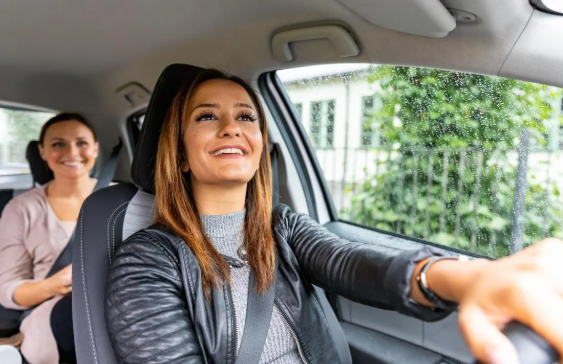
A women-only ride-hailing app matches women riders with women drivers and builds the product around safety, verification, and trust. This guide covers the safety features, the driver verification, and the trust-building UX that make riders choose it and stay.
In this category, one safety failure can end the brand, so the engineering has to be right before launch, not patched after. The approach here draws on real verification and secure-platform work Acquaint Softtech has delivered as an Official Laravel Partner, with 1,300+ projects, 70+ in-house engineers, and clients across the USA, UK, Europe, and Australia who get a dedicated team within 48 hours of a brief.
What a women-only ride-hailing app is
A women-only ride-hailing app is a ride service where both riders and drivers are women, designed around safety rather than lowest price. It serves riders who feel safer in a women-only ride, from late-night travel to the everyday commute.
Safety as the product, not a setting
In a general app, safety is a menu item; here it is the core value. That changes every decision, who can drive, how they are verified, and what the rider sees before and during a trip, so Acquaint Softtech designs safety and trust in from the first screen rather than adding them later.
Safety features that actually protect
Safety features are the tools that keep a rider protected and reassured during a trip: a prominent SOS button, live trip sharing, ride recording, and trusted-contact alerts. The best ones are visible without being alarming.
The core safety toolkit
| Feature | What it does | Why it matters |
| SOS button | One tap to alert help and share location | Fast response in a real emergency |
| Live trip sharing | Sends the live route to a trusted contact | Someone always knows where the rider is |
| Trip recording | Audio or ride logs for accountability | Deters bad behaviour and aids disputes |
| Trusted contacts | Auto-alerts on delays or route changes | A safety net without the rider acting |
Each of these should work offline-first, because emergencies do not wait for a strong signal.
Driver verification and vetting
Driver verification is the gate that decides who is allowed to drive, using identity documents, background checks, and ongoing re-checks. In a safety-first app it is the single most important system to get right.
Verifying once is not enough
Check identity and licence at onboarding, run background checks, and re-verify on a schedule, because a clean record at signup can change. A verification backend, which teams that hire Laravel developers can build to validate documents and cross-check them before approval, is what keeps an unvetted driver off the road.
Trust-building UX
Trust-building UX is the design that makes a rider feel safe before anything happens: the verified driver’s photo and name, the plate, and the safety tools all within reach. Trust is built by what the rider can see and confirm.
Show the safety, do not hide it
Surface the driver’s verified identity and the SOS control on the ride screen, not three menus deep. Teams that hire UI UX designers design this balance, safety that is visible and reassuring without feeling frightening, which is what turns a nervous first ride into a habit.
What it costs to build
The cost of a women-only app depends on how deep the verification and safety tooling go beyond a standard ride app.
| Scope | What you get | Typical range (USD) |
| Safety-first MVP | Women-only matching, SOS, live sharing, ID verification | $18,000 to $40,000 |
| Full platform | Background checks, re-verification, recording, trusted contacts | $40,000 to $85,000 |
Where the savings are
Ship women-only matching, ID verification, and the core safety tools first, the features riders judge you on, then add background-check integrations and recording as you scale. Acquaint Softtech staggers the build this way, running at up to forty percent cost savings versus Western agencies, with blended rates of roughly twenty-five to forty-nine US dollars per hour.
Proof: a document-verification system we shipped
Driver verification is the same problem in a different domain: take a stack of documents, confirm they are real and consistent, and only then trust the person behind them. For Hybopay, a fintech lender, Acquaint Softtech built the AI document-validation system that does exactly that. The account below is drawn from the client’s verified 5.0 out of 5 Clutch review.
| Challenge | Solution | Result |
| Documents sat unverified for hours, full of manual errors | AI system that extracts and validates documents on submission | Documents validated within moments, not hours |
| Parsed data could not be trusted before use | Checkpoints that cross-verify inputs before any record is written | Data-entry errors effectively eliminated |
| Engineers were stuck on manual verification | An automated verification pipeline, end to end | The team freed for higher-value work |
CEO Gerhard Drobits said the team “understood our constraints from the start and designed around them”. A women-only app lives on the same discipline: verify fast, verify accurately, and never let an unchecked driver reach a rider. Whether the record is a loan document or a driving licence, Acquaint Softtech builds verification that people can actually trust.
FAQs
What is a women-only ride-hailing app?
It is a ride service where both riders and drivers are women, built around safety rather than lowest price. It serves riders who feel safer in a women-only ride, and designs verification, safety tools, and trust into the core of the product.
How are drivers verified in a women-only app?
Through identity and licence checks at onboarding, background checks, and scheduled re-verification. A verification backend validates each document and cross-checks it before approval, so a driver whose record changes after signup does not stay active unchecked.
What safety features should the app have?
At minimum a one-tap SOS, live trip sharing with trusted contacts, alerts on delays or route changes, and optional ride recording. These should be visible on the ride screen and work offline-first, since emergencies do not wait for signal.
How does the app build trust with riders?
By making safety visible: the verified driver’s photo, name, and plate up front, and the SOS control within reach. Trust-building UX shows security clearly without feeling frightening, which turns a cautious first ride into a regular habit.
Is a women-only ride-hailing app worth building?
In many markets, yes. There is real, underserved demand from riders who prioritise safety over price. The product wins on trust, so the verification and safety engineering, done right before launch, are what make it viable.